Proper Project Scoping
Know exactly what you're buying before you spend a dollar. A real scope of work spells out materials, finishes, and sequencing in enough detail that "we didn't know about that" stops being a valid excuse from either side.

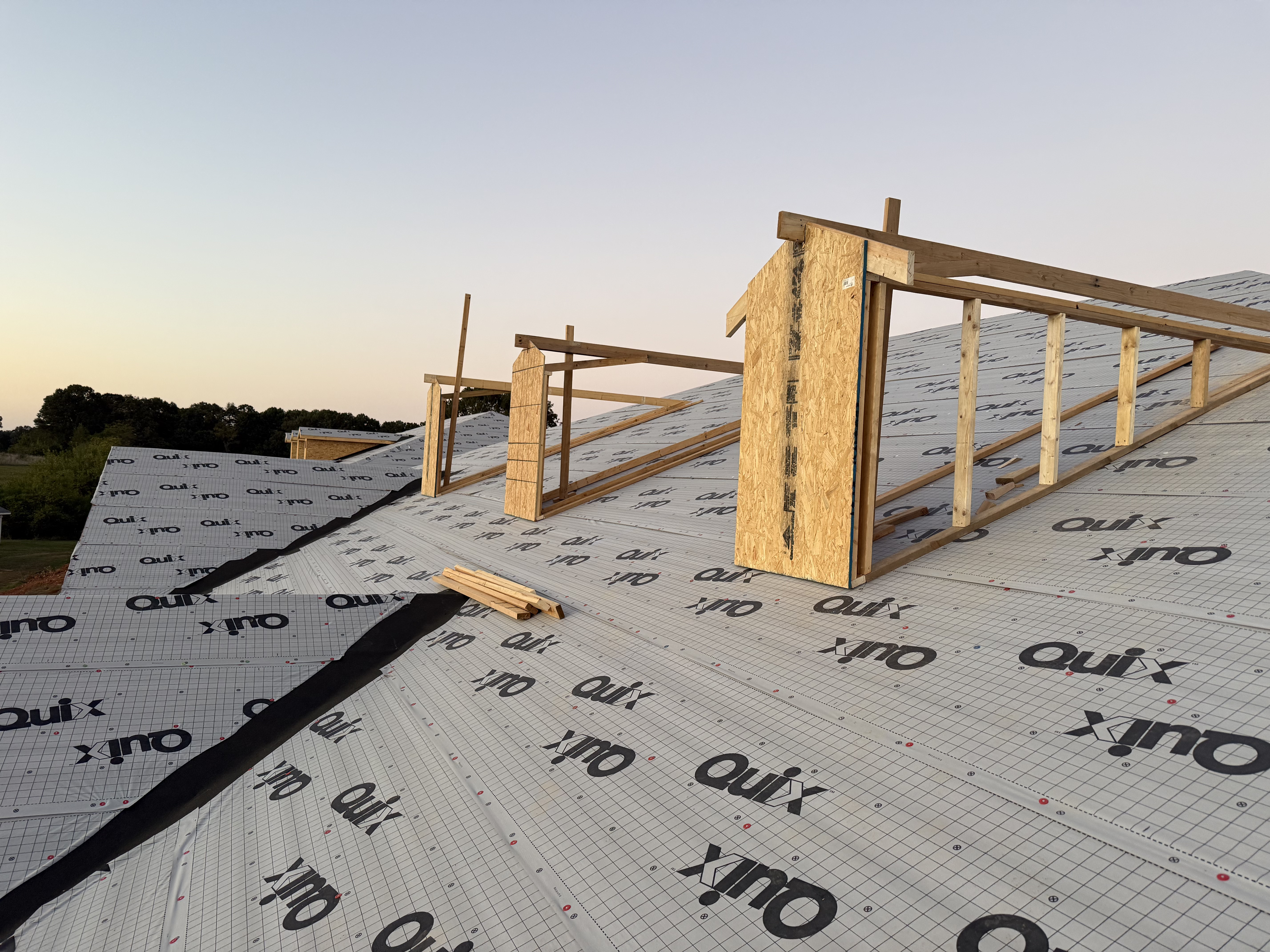
Success is built on clarity. Stop losing money on construction projects.
@dominguezrobert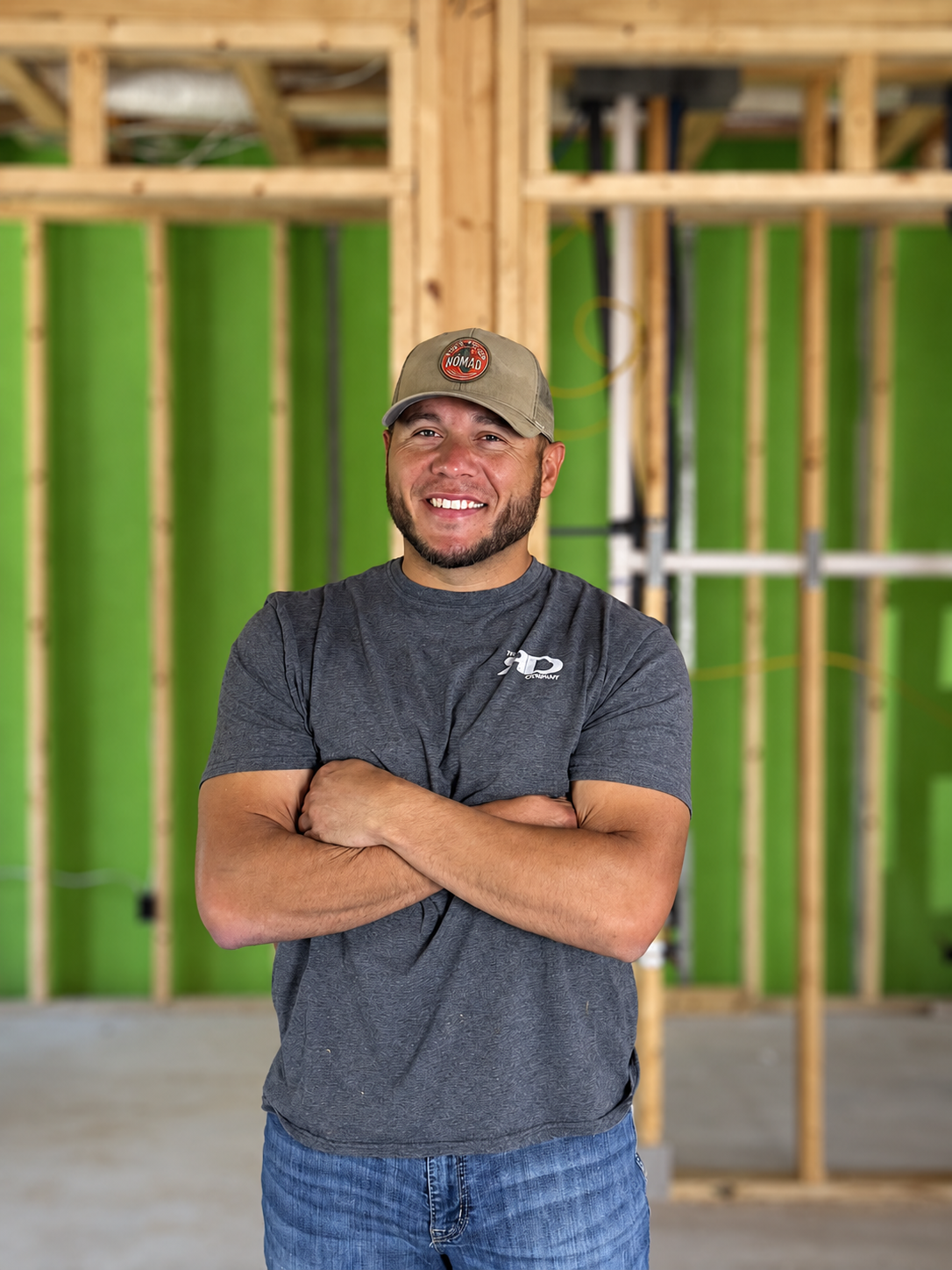
Licensed general contractor. Active real estate investor. Army veteran, 2003 to 2007.
I've spent over 20 years in construction. I've completed 250+ builds. I own 40+ rental properties. Married, four kids.
I've been on both sides of the table, which means I understand why deals fall apart, because I've watched it happen from both directions. As a contractor, I've dealt with investors who didn't know what they were actually asking for. As an investor, I've watched my own numbers get wrecked by scope I didn't define clearly enough upfront.
Most people teaching this only know one side.
I've lived
both.
My field-tested systems help investors avoid the communication breakdowns that cost real money, and scale their operations without getting stuck managing every project detail themselves. My approach turns the usual investor-versus-contractor standoff into an actual partnership.
Evaluate any real estate deal in under 60 seconds.
Stop second-guessing your investments. This "Back of the Napkin Calculator" gives you instant clarity on profitability, cap rates, and per-door values, the same tool I use on every deal.
You don't need a finance degree to run real numbers. You need the right calculator and 60 seconds.
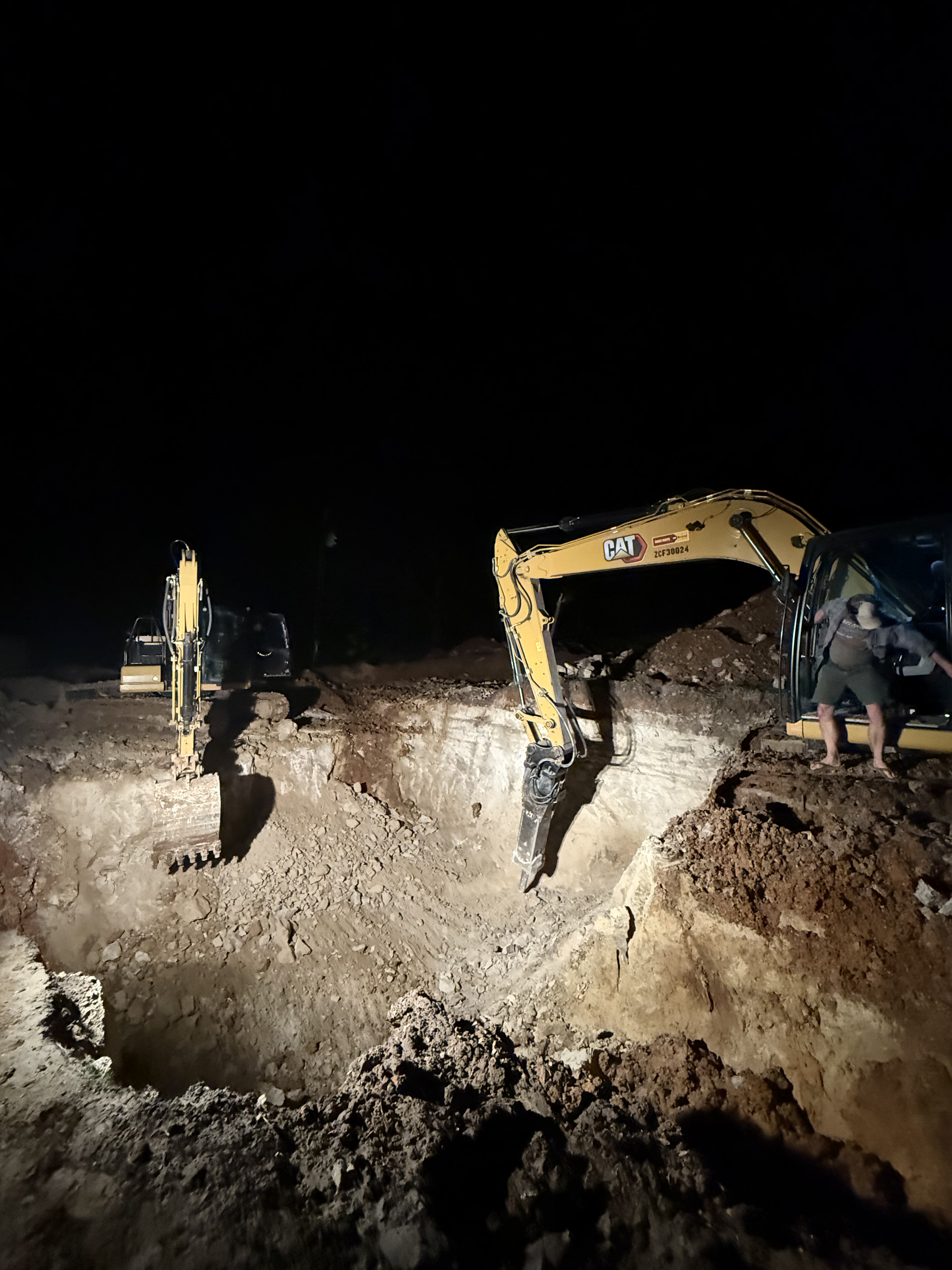
Most construction projects that go over budget don't go over budget because of a bad contractor or an unrealistic investor. They go over budget because of the gap between two worlds that speak different languages.
Investors think in: ROI, timelines, budgets, exit strategies.
Contractors think in: materials, labor, permits, sequencing.
When those two worlds collide without a system in place, money gets lost in translation. Not because anyone's lying. Because nobody wrote down what "done" actually means before the work started.
That gap shows up as change orders you didn't see coming, a "final walkthrough" that turns into three more walkthroughs, and a contractor who stops returning calls the moment the relationship gets tense instead of the moment it gets hard.
Know exactly what you're buying before you spend a dollar. A real scope of work spells out materials, finishes, and sequencing in enough detail that "we didn't know about that" stops being a valid excuse from either side.
Clear expectations, regular check-ins, and documentation that keeps everyone accountable. When something changes mid-project, and something always changes mid-project, there's already a process for handling it instead of a scramble.
Contract templates built to protect your investment while keeping the contractor relationship fair, not adversarial. A good contract isn't a weapon. It's a shared understanding both sides can point back to.
Realistic scheduling that accounts for permitting, inspections, weather, and the normal friction of a real job site, so your project stays profitable and on track instead of quietly sliding another two weeks every time you check in.
Knowing what questions to ask before you sign, not after you're three weeks into a project with someone who can't deliver.
These aren't theories from a classroom. They're systems tested on 250+ builds.
This isn't for people looking for a shortcut
or someone to do
the work for you.
It's for investors serious about building the systems that
make construction predictable
instead of stressful.
30 minutes. Free. A working session, not a sales pitch.
You'll get a short form to fill out so I know where your systems are actually breaking down before we talk. No point spending 30 minutes asking questions I could've asked in advance.
We go straight at the problem. Whatever your specific gap is: scoping, budgeting, communication, contractor vetting—you leave with a clear next step, not a vague pep talk.
Some people take what we covered and run with it themselves. Some want more hands-on support. Either way is fine. This call isn't designed to trap you into anything.
No. A lot of the value here is figuring out how to vet and hire the right one before you're locked into anything.
No. Whether you've done one deal or thirty, the systems are the same. What changes is how much of the conversation focuses on the basics versus scaling.
A GC builds your project. I teach you how to become your own project manager so you're equipped to manage that relationship well, whether that's with me or with someone else.
Start with the free calculator. It'll help you evaluate whether a deal is even worth pursuing before construction is on the table.